Leytonstone
Dark Lies the IslandLeytonstone is the East London neighborhood where Daniel makes a home after leaving Ireland, though the residence offers little sense of belonging. Set against his memories of Ireland and his encounters with other Irish people in England, the area becomes a landscape of displacement: a place where work and routine continue while grief and uncertainty remain unresolved.
Setting and Daily Life
Daniel shares a house off Leytonstone High Road with three men from Connemara. Although they all work in IT, their evenings are shaped by heavy drinking; the lager they favor is 9.8 per cent alcohol by volume. In the living room, they watch wildlife on television but switch back to the BBC for football scores, a domestic rhythm that gives the house a settled appearance without making it a refuge for Daniel.
His work takes him through office buildings, threading fibre-optic cables. He has no clear purpose for the money he is saving and has decided he will not return to Ireland. The weekends are hardest. The contrast between employment and aimlessness, and between a shared home and emotional solitude, defines his experience of Leytonstone more than any sense of attachment to the neighborhood.
Streets, Pub, and Isolation
Daniel’s movements through the area reflect his depressed state. On a Saturday afternoon he walks in a local park, then follows the High Road past bus stops and shops before turning toward the long street of pre-war terraces where he lives. A road sign warning of “Humps for Half a Mile” acquires a metaphorical resonance in his account, but the house itself is not a place where its residents discuss metaphors: his housemates are already drinking and watching television when he returns.
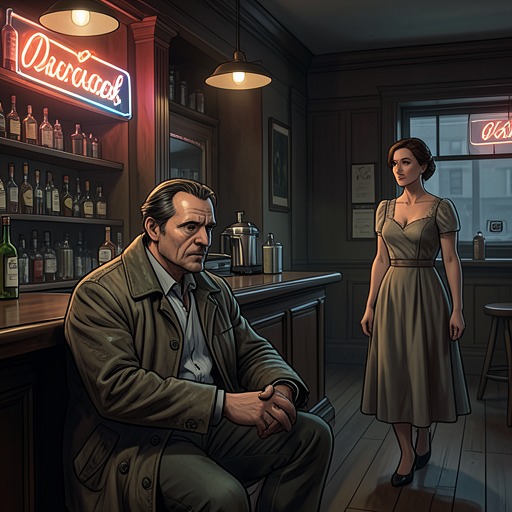
The local Ducks pub offers another view of the neighborhood, but not immediate comfort. After declining to remain with the others at home, Daniel walks there alone through East London on a January evening. The bar is rancorous, and an older Irish patron threatens a man who appears ready to stand up. The pub’s attention is on dog racing from Walthamstow, while Daniel enters with a purposeful outward bearing that contrasts with his private fragility.
Memory and Belonging
Leytonstone’s emotional geography is shaped by Daniel’s attachment to someone who lives in another country. At Stratford station, he repeatedly mistakes strangers for her, and his work brings him among office workers whose appearance recalls her. The daily search makes London both the setting of his life and a constant reminder of her absence; he worries about the depth of his fixation, even as he recognizes that he is usually rational.
His account of the difference between Ireland and England gives this displacement a cultural dimension. He describes Ireland as magical and England as ironical, a distinction that captures his attraction to the country he has left and the self-conscious distance he feels in the one where he now lives. The phrase is not a resolution: he has no plan to go back, yet Leytonstone has not become home in any uncomplicated sense.
A Small Return to Company
After meeting the woman again, Daniel walks home as the clear sky clouds over and the weather turns unusually mild. He acknowledges that the past cannot be undone, but that what happened between them cannot be taken away. At number 126 he turns in through the gate to see how the household is getting on with its lager. The return to the familiar house does not erase his uncertainty; it places a renewed connection beside the same ordinary routines that have accompanied his loneliness.